

If you want a genuine mountain gorilla encounter without committing to a long holiday, 3 day’s gorilla trekking is one of the smartest ways to do it. Three days is enough to travel to the park, rest, trek, spend an hour with a gorilla family and return without feeling rushed. It balances cost, comfort and adventure, and it works well for first-time safari travelers, couples, families with teenagers and professionals with limited leave. This guide explains how a three-day itinerary works, where to go, what each day looks like, how to prepare and how to travel responsibly.
What Is a 3 Day Gorilla Trekking Safari?
A three 3 day’s gorilla trekking safari is a compact itinerary built around one gorilla trek. Day one is for arrival and transfer, day two is the trek itself, and day three is for returning or adding a light extra activity. Because the trek takes place on the middle day, you start it rested, which makes a significant difference at altitude on steep, muddy ground.
The gorilla encounter is the same as on longer trips: a morning briefing, a guided hike through the forest, and one hour with a habituated family. The three-day format simply organizes the surrounding travel efficiently.
Where to Do a 3 Day’s Gorilla Trekking
Rwanda: Volcanoes National Park
Rwanda is the most natural fit for a three-day trip. Volcanoes National Park is roughly two to three hours by road from Kigali, so transfers are short and the schedule stays relaxed. Scenery includes bamboo forest, farmland and the Virunga volcano peaks, and logistics are smooth. The permit is generally more expensive than in Uganda, so factor this into your budget.
Uganda: Bwindi Impenetrable National Park
Bwindi is reachable in three days, but the long drive from Entebbe or Kampala can take most of a day, so the schedule is tighter. Many travelers shorten the journey with a domestic flight to a nearby airstrip, which keeps three days comfortable. Uganda usually has lower permit costs, and Bwindi’s dense, ancient forest delivers a classic jungle trek.
Uganda: Mgahinga Gorilla National Park
Mgahinga is smaller and offers volcano scenery and golden monkey tracking, though gorilla availability is more limited. It can suit travelers who want a quieter setting.
Democratic Republic of Congo: Virunga
Virunga offers trekking in a dramatic setting, but security conditions can change. Always check current government travel advice and use experienced, licensed operators.
Sample 3 Day Itineraries
Option 1: Rwanda 3 Day Gorilla Trek
- Day 1: Arrive in Kigali. Transfer to the Volcanoes National Park area, check in to your lodge and rest. Optionally visit the Kigali Genocide Memorial on arrival if your flight lands early.
- Day 2: Early breakfast, park briefing, gorilla trek and one hour with the family. Return to your lodge for lunch and a relaxed evening.
- Day 3: Optional golden monkey tracking or a cultural visit, then drive back to Kigali for departure.
Option 2: Uganda 3 Day Gorilla Trek by Road
- Day 1: Drive from Entebbe or Kampala toward Bwindi, with scenic stops along the way. Overnight near the park.
- Day’s Gorilla Trekking in the morning, rest in the afternoon.
- Day 3: Drive back toward Kampala or Entebbe, arriving late.
Option 3: Uganda 3 Day Fly-In Gorilla Trek
- Day 1: Fly from Entebbe to a nearby airstrip, transfer to your lodge and relax.
- Day 2: Gorilla trekking, then rest.
- Day 3: Fly back to Entebbe in time for onward connections.
Fly-in options cost more but save many hours on the road, which suits travelers with limited time.
What to Expect on Trek Day
- Early breakfast and transfer. You head to the park headquarters for the briefing.
- Briefing and family assignment. Rangers explain the rules, check participants and assign you to a gorilla family. Groups are limited to eight visitors per family.
- The hike. Trackers have already located the gorillas. The walk may last from 30 minutes to several hours through steep, humid and sometimes slippery terrain.
- The encounter. You leave bags and walking sticks behind and observe the family for one hour from a respectful distance.
- The return. You hike back, often receiving a certificate, and return to your lodge to rest.
Fitness and Preparation
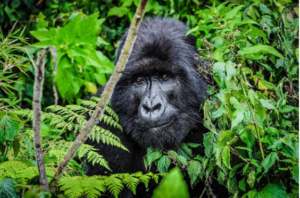
The three-day format is comfortable, but the trek itself still demands reasonable fitness.
- Walk or hike regularly for several weeks beforehand, ideally on hills or stairs.
- Strengthen your legs with squats, lunges and stair climbing.
- Break in waterproof hiking boots to avoid blisters.
- Hire a porter. They carry your daypack, help on slippery sections and support local families.
- Tell your rangers if you would prefer an easier family. Some groups stay on gentler terrain.
- Hydrate well and sleep properly on the night before the trek.
What to Pack
- Waterproof hiking boots with strong grip
- Long-sleeved shirts and long trousers in neutral colors
- A lightweight waterproof jacket or poncho
- Gardening gloves for gripping vegetation
- Gaiters or long socks
- Insect repellent, sunscreen and a hat
- A camera without flash, spare battery and a waterproof bag
- A refillable water bottle and snacks
- A change of clothes for after the trek
- Passport, permit confirmation and cash for tips
Pack light, especially if you are using small aircraft with strict luggage limits.
Rules and Etiquette
Strict rules protect the gorillas and visitors alike.
- Keep a distance of about seven meters.
- Speak softly and move slowly.
- Never use flash photography.
- Do not eat, drink or smoke near the animals.
- Stay calm if a gorilla approaches and follow your guide’s instructions.
- Cover your mouth if you cough or sneeze, and turn away from the gorillas.
- Do not trek if you are unwell, because gorillas can catch human illnesses.
Permits, Costs and Booking
day’s gorilla trekking permit is mandatory, and the number issued daily is limited. Prices vary between countries and may change, so confirm current fees with the national parks authority or your operator before budgeting. Your total cost will also include accommodation, transfers, meals, porter fees, tips and any flights.
Because a three-day trip has fixed dates, book early. Six to twelve months ahead is wise for peak seasons, and your operator should confirm the permit before you buy international flights.
Best Time for a 3 Day Gorilla Trek
- Dry seasons (roughly June to September and December to February): Trails are firmer and easier, which suits a short trip. These are the busiest months, so book early.
- Wet seasons (roughly March to May and October to November): Fewer visitors and lush scenery, but muddier trails. Pack quality rain gear and allow extra time.
Mountain weather changes quickly in any season, so flexibility and good equipment matter more than perfect timing.
Tips for Making the Most of Three Days
- Choose an experienced operator who handles permits, transfers and lodging smoothly.
- Avoid tight flight connections on day three, especially after a road transfer.
- Stay at a lodge close to the park headquarters to reduce early-morning driving.
- Keep a spare day in your wider trip if possible, in case of delays.
- Add light activities, such as golden monkey tracking or a village visit, only if time and energy allow.
- Tip guides, trackers and porters fairly.
Conservation Impact
Even a short trip helps protect mountain gorillas. Permit fees fund ranger patrols, veterinary care, habitat protection and community projects around the parks. Responsible choices, such as hiring local porters, supporting community-minded lodges, avoiding single-use plastics and buying from local artisans, multiply that benefit. Mountain gorillas remain endangered, and carefully managed tourism is a major reason their numbers have slowly recovered.
Key Takeaways
- A 3 day’s gorilla trekking safari fits one gorilla trek into a short, comfortable itinerary.
- Rwanda’s Volcanoes National Park is the easiest option, while Uganda works best with a fly-in or an early start.
- The trek takes place on day two, so you begin to rest and prepare.
- Expect a hike of roughly 30 minutes to several hours, followed by one hour with the gorillas.
- Moderate fitness, waterproof boots, gloves and layered clothing are essential.
- Permits are limited, prices change and dates are fixed, so book early.
- Your permit fee supports conservation and local communities.
Conclusion
A 3 day gorilla trekking safari proves that a profound wildlife experience does not require a long vacation. With smart planning, a rested start and a reliable operator, you can travel, trek and return in just three days, bringing home memories of an hour with one of the world’s most endangered great apes. Prepare physically, pack sensibly, respect the rules and leave room for the unexpected. The result is a short trip with a lasting impact, both for you and for the gorillas and communities your visit supports.
Frequently Asked Questions
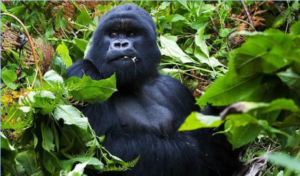
- Is three days enough for gorilla trekking?
Yes. Three days allows time to travel, rest, trek and return. Rwanda makes this easiest, and Uganda works well with a fly-in or an early road departure. - Which country is best for a 3 day gorilla trek?
Rwanda is generally the most convenient because Volcanoes National Park is a short drive from Kigali. Uganda offers lower permit prices but longer transfers. - How long is the actual trek?
The hike can last from about 30 minutes to several hours, depending on where the gorillas are. You then spend one hour with the family. - Can I do a 3 day gorilla trek from Entebbe or Kampala?
Yes, but the road journey to Bwindi is long. A fly-in option shortens the trip, or you can accept a long driving day on days one and three. - How fit do I need to be?
Moderate fitness is enough for most travelers. Steep, muddy terrain at altitude is demanding, so regular walking and hill training help. Porters are available. - When should I book my permit?
Six to twelve months ahead for peak seasons. Permits are limited and can sell out quickly. - What is the minimum age for gorilla trekking?
The minimum age is generally 15 years. Rangers may check ages at the briefing. - What should I wear?
Wear waterproof hiking boots, long trousers, long-sleeved tops, gloves and a rain jacket, dressed in layers for changing mountain weather. - What if I get sick before the trek?
Rangers may refuse entry to anyone who appears unwell, because gorillas can catch human illnesses. Refund and rebooking policies vary, so check your booking terms. - Can I add other activities to a 3 day trip?
Yes, if time allows. Golden monkey tracking, cultural visits and the Dian Fossey hike in Rwanda are popular add-ons, though they may make the schedule tighter.